
Materials Reimagined - Creating Art from Byproducts

Exploring how sustainable materials can create meaningful experiences beyond their intended use.
Project Summary
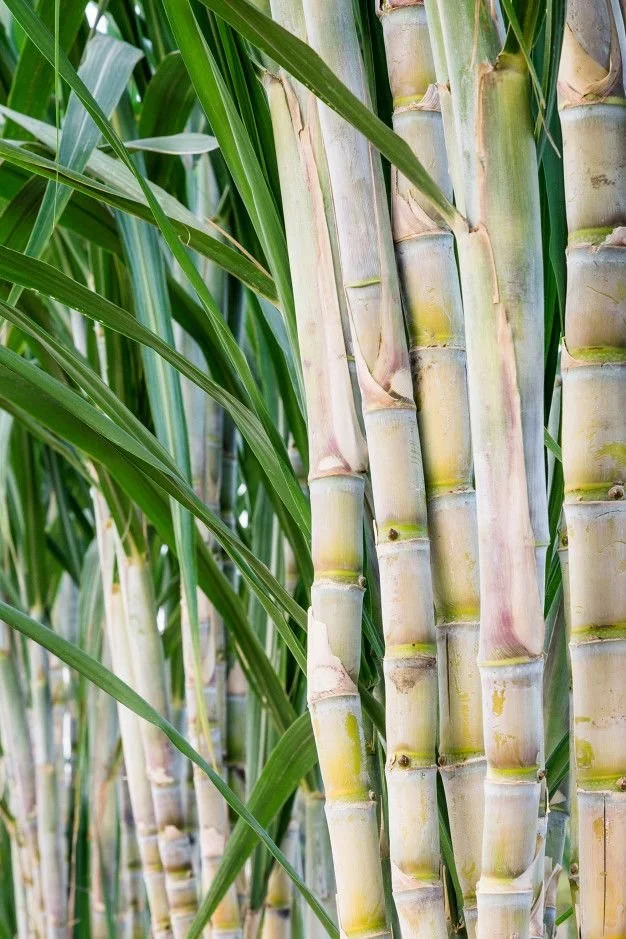
This project explored the potential of a single material through research, experimentation, and iterative making. I worked with bagasse, a sugarcane byproduct often used in sustainable packaging, and tested how it could be transformed into new design applications. The term ended with the Oregon State University Design Expo, where each student contributed an installation based on their material exploration.
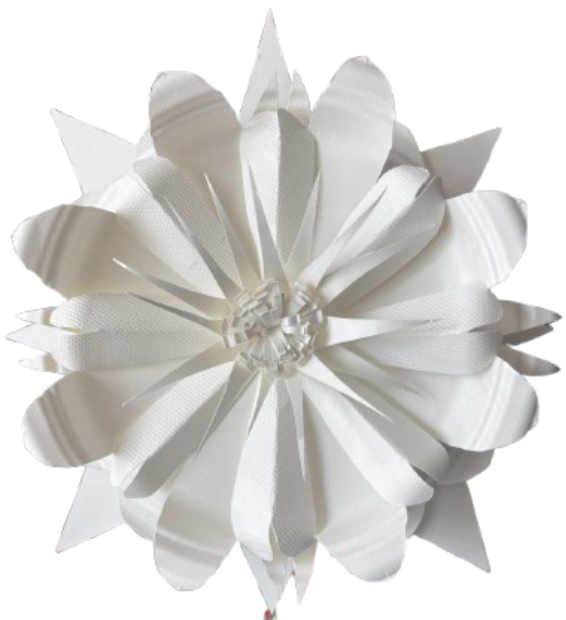
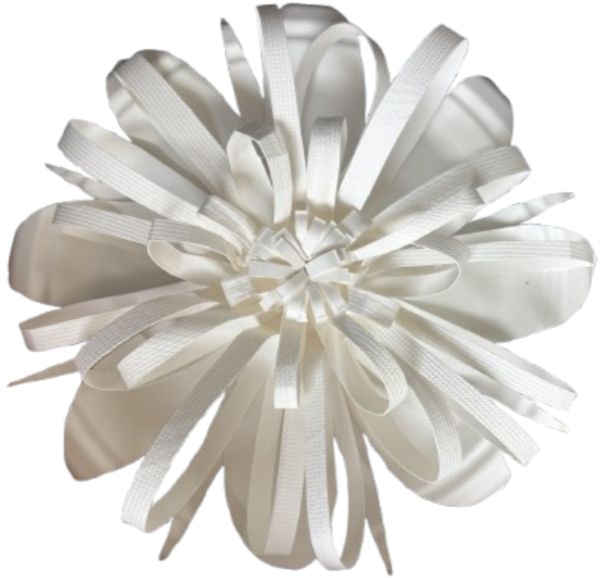
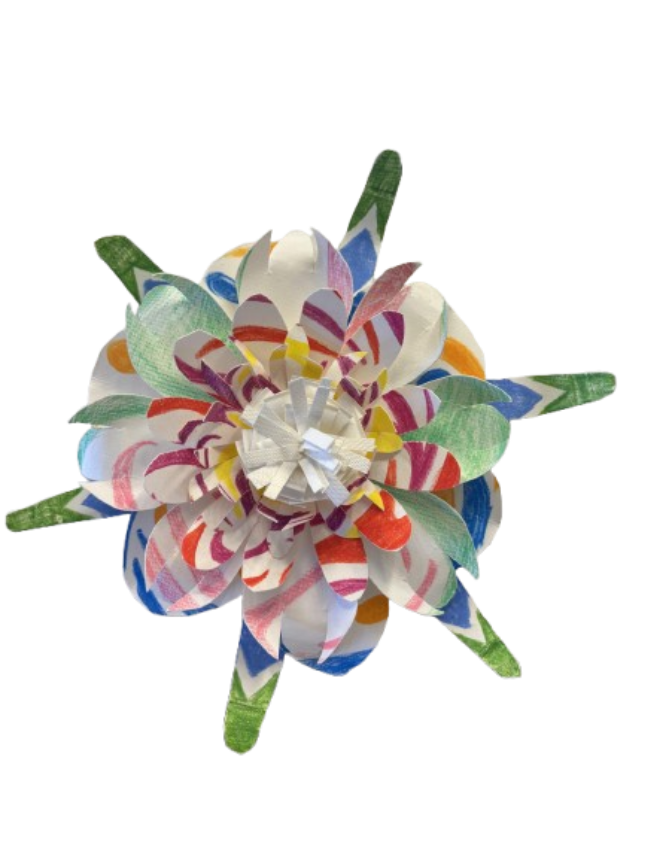
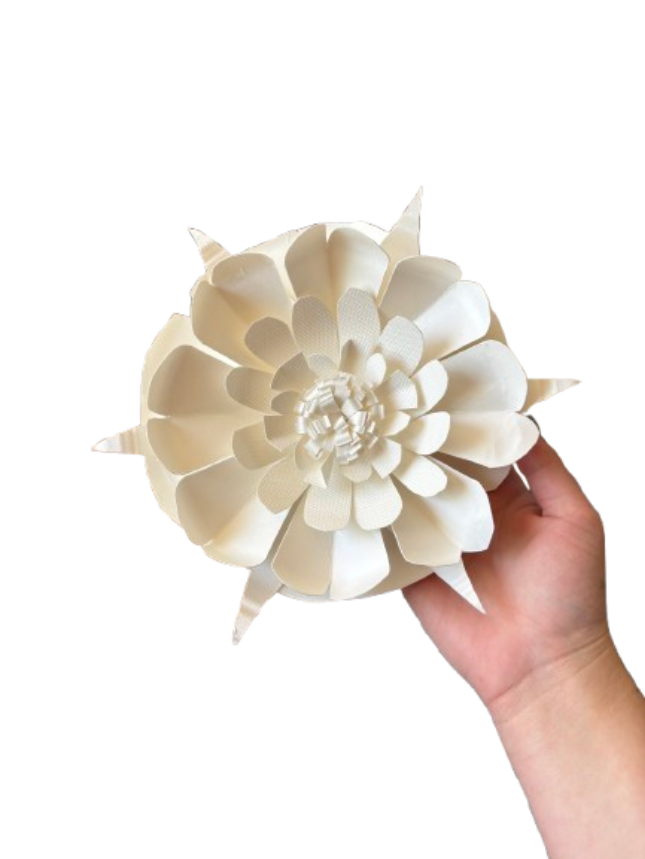
I first developed biodegradable skincare packaging prototypes to highlight bagasse as an eco-friendly alternative to traditional materials. As the project progressed, I realized I could make a stronger contribution to the exhibition by shifting from a standalone product to a large-scale installation of hand-formed bagasse flowers. This pivot helped create a more cohesive visual experience and showed the material’s versatility in a new way.
The Challenge
Sustainable materials are often viewed through the lens of functionality alone. My challenge was to understand the unique qualities of bagasse and explore how it could be used in ways that were both environmentally responsible and creatively engaging. At the same time, the final outcome needed to contribute to a collaborative exhibition that communicated the potential of reimagined materials to a broader audience.
Evolution of the Idea
3. Initial Direction
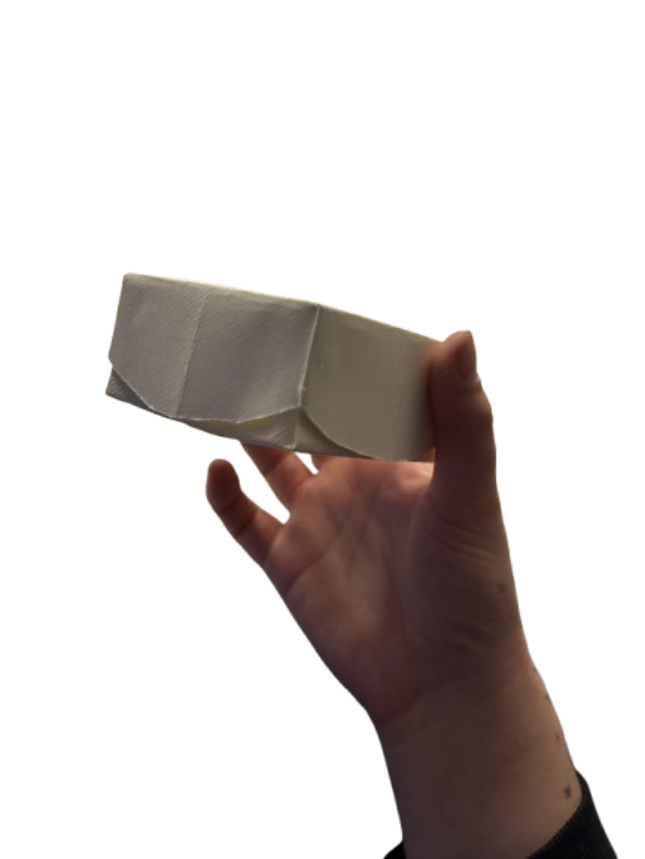
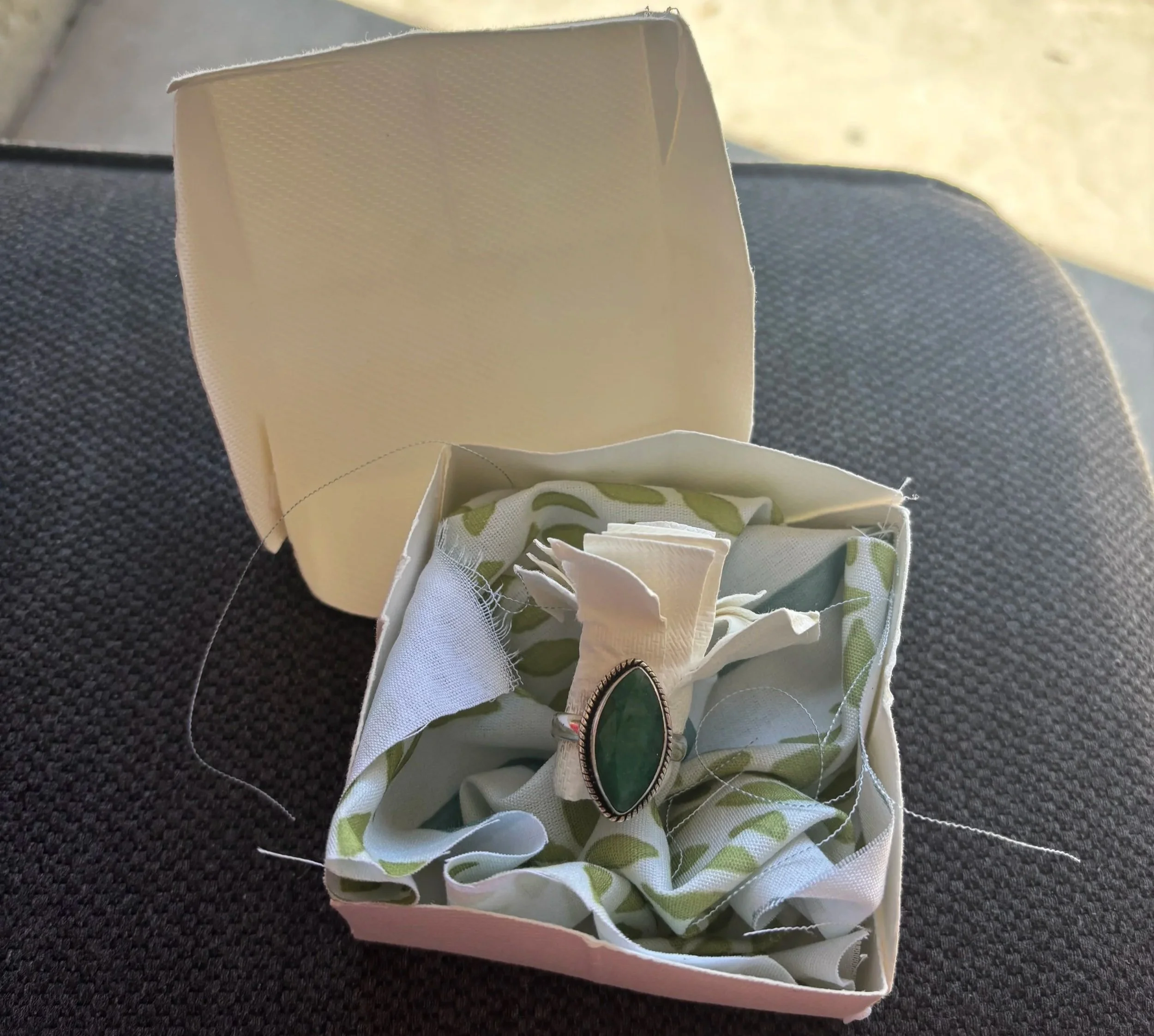
Packaging Concept
Developed biodegradable packaging that highlighted bagasse as a sustainable material.
4. The Pivot
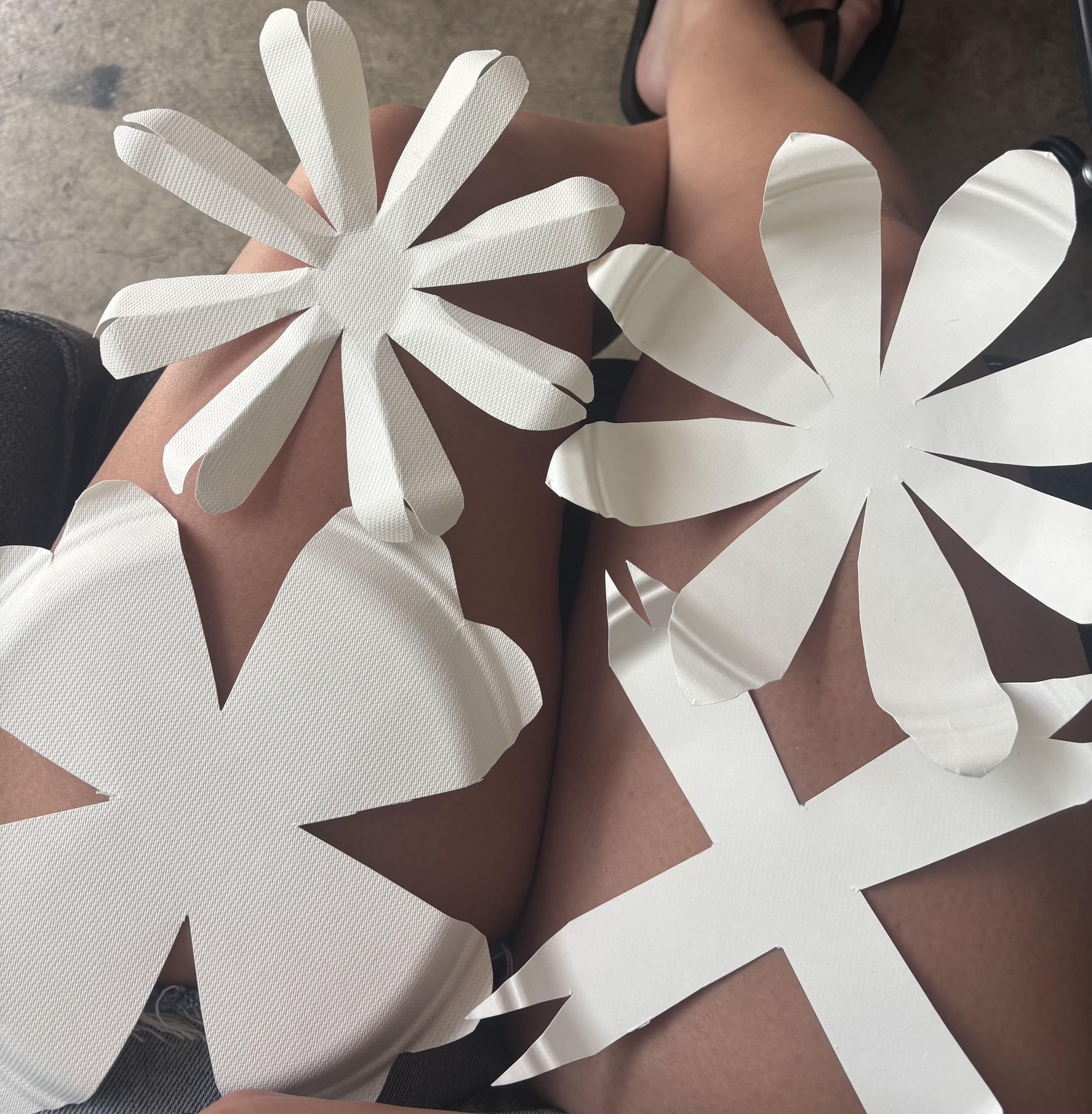
Through feedback and reflection, I recognized that my packaging concept solved the assignment but didn’t maximize my contribution to the Design Expo. I shifted my focus toward creating an immersive installation that strengthened the exhibition as a whole.

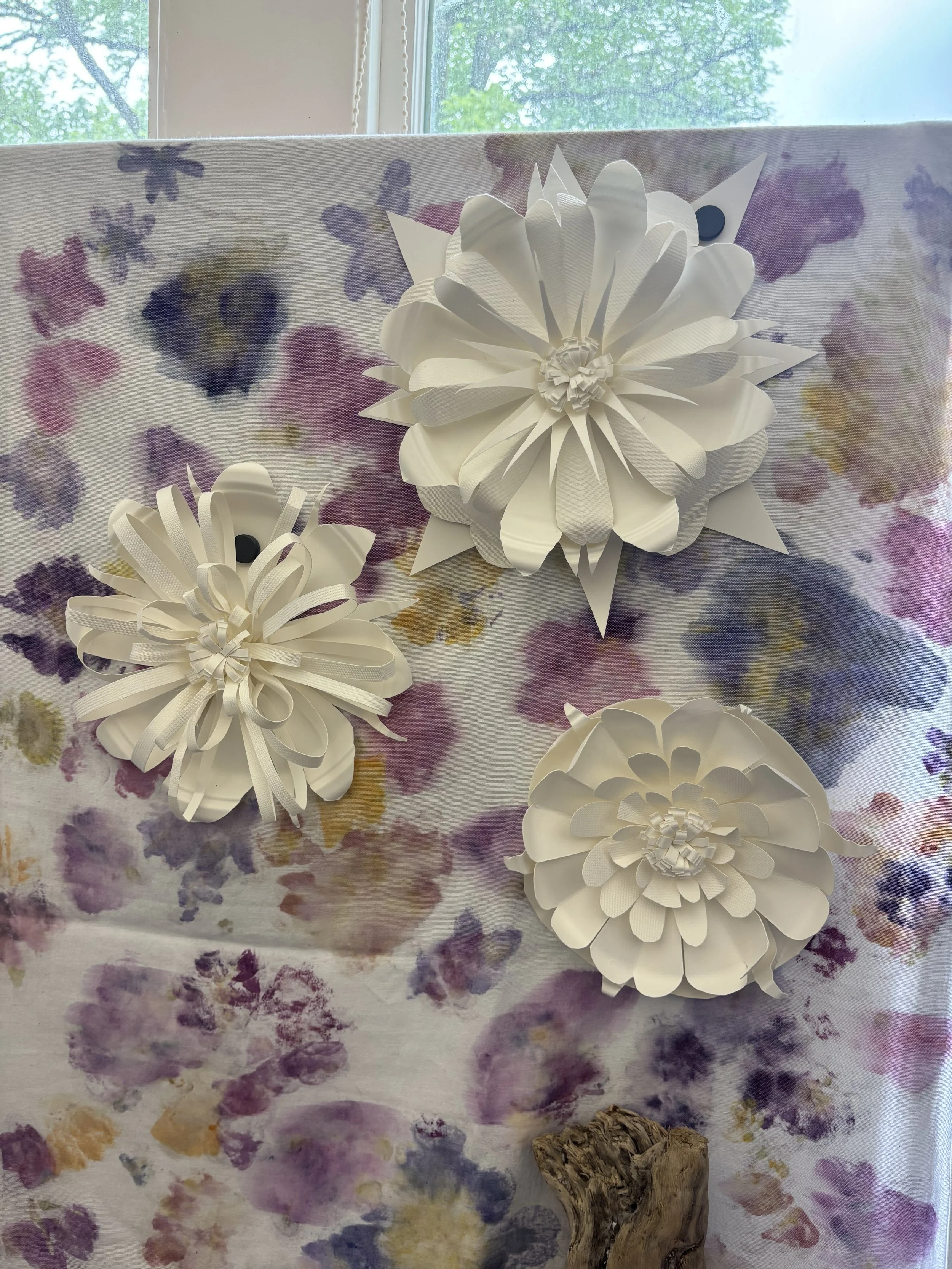
5. Final Installation
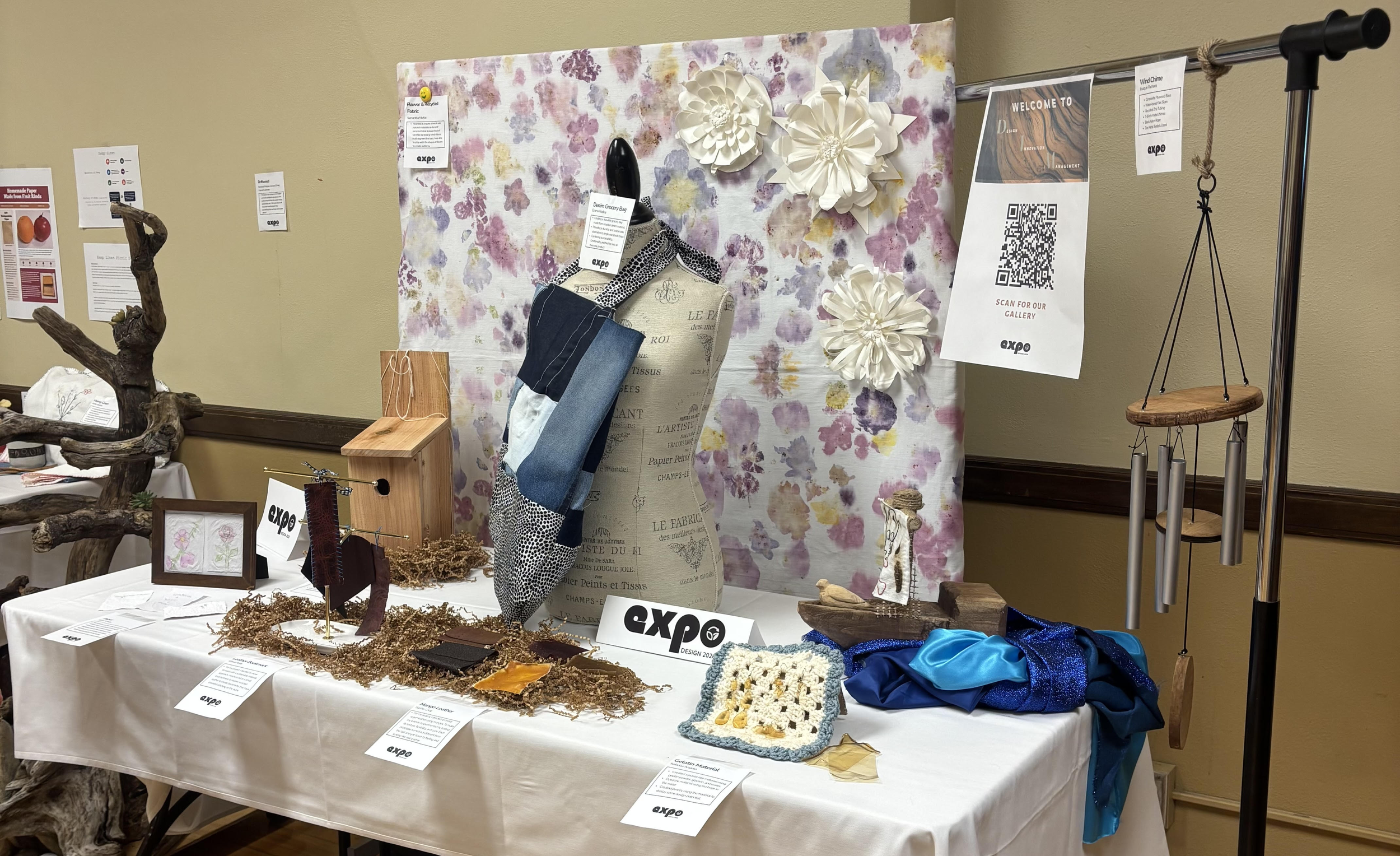
By creating hand-formed bagasse flowers, I was able to visually connect my work with neighboring projects, such as natural plant dyes, flower-stamped textiles, and birdhouses made from reclaimed wood, creating a more cohesive and immersive experience. This shift reinforced an important lesson for me: successful design isn't always about creating the strongest individual solution, but about understanding the broader context and contributing where you can have the greatest impact.
1. Research
Understanding the Material
Investigated bagasse and sustainable packaging
Studied its properties and manufacturing
Identified opportunities for biodegradable applications
2. Experimentation
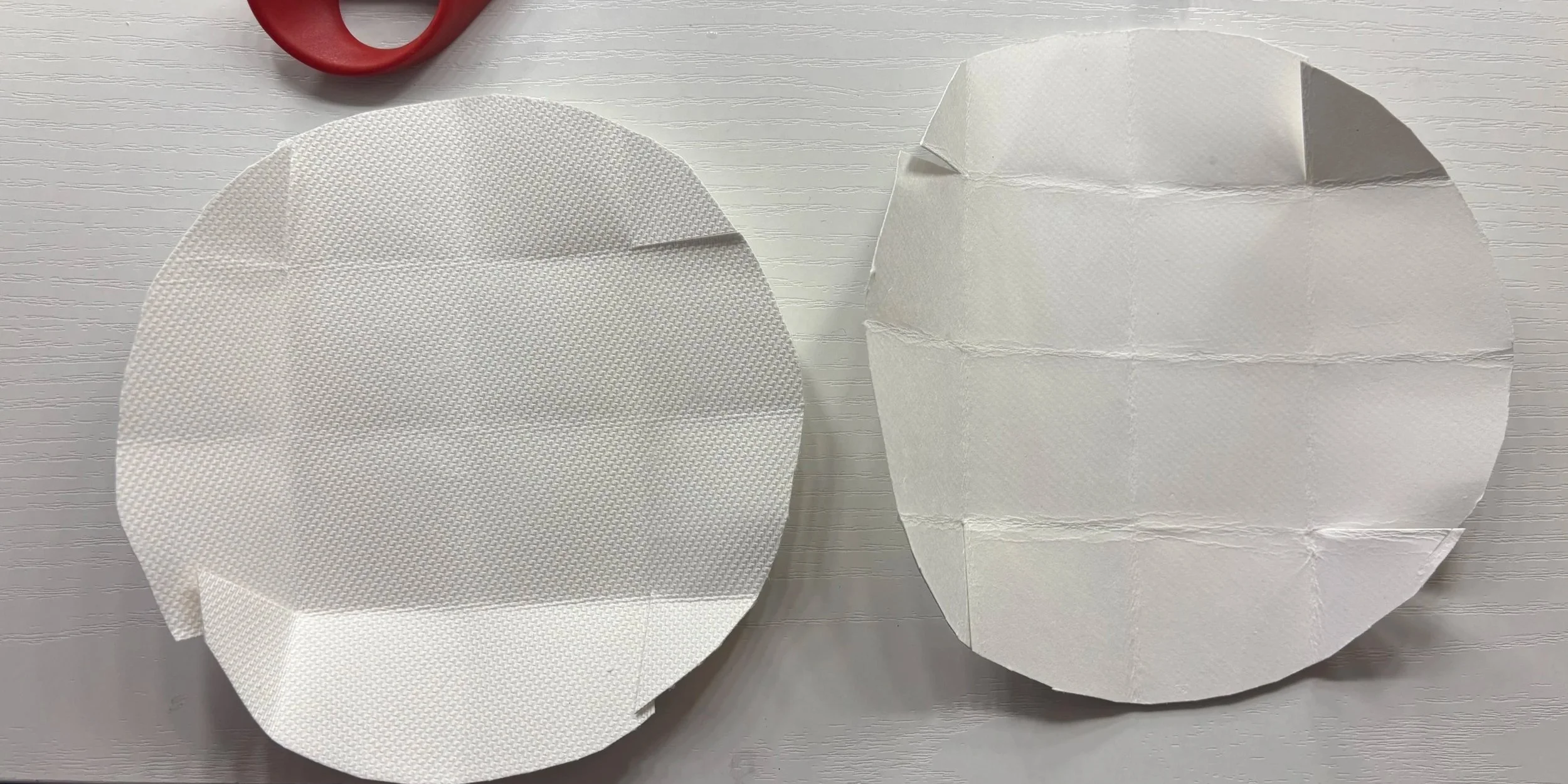
Prototype & Test
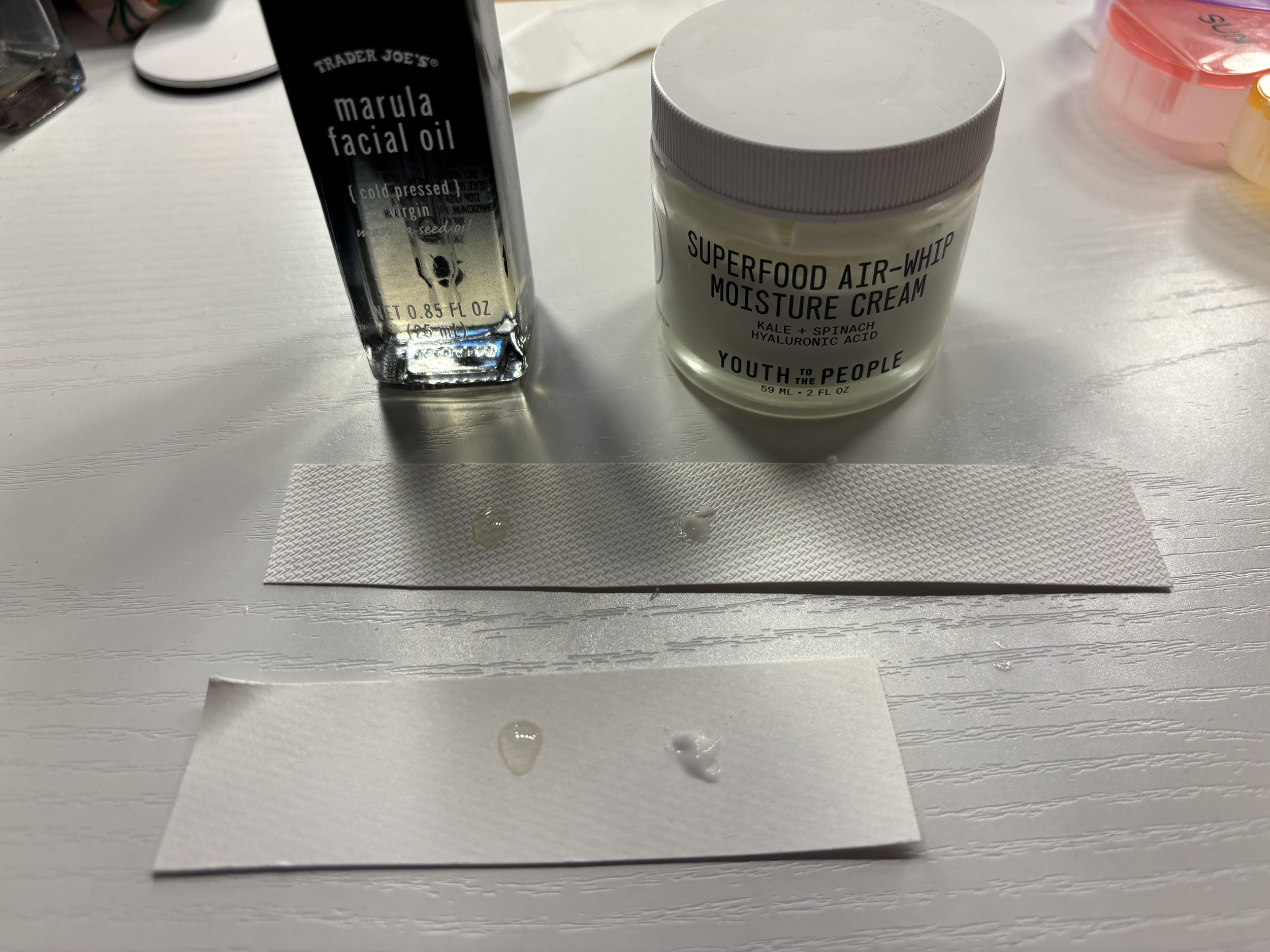
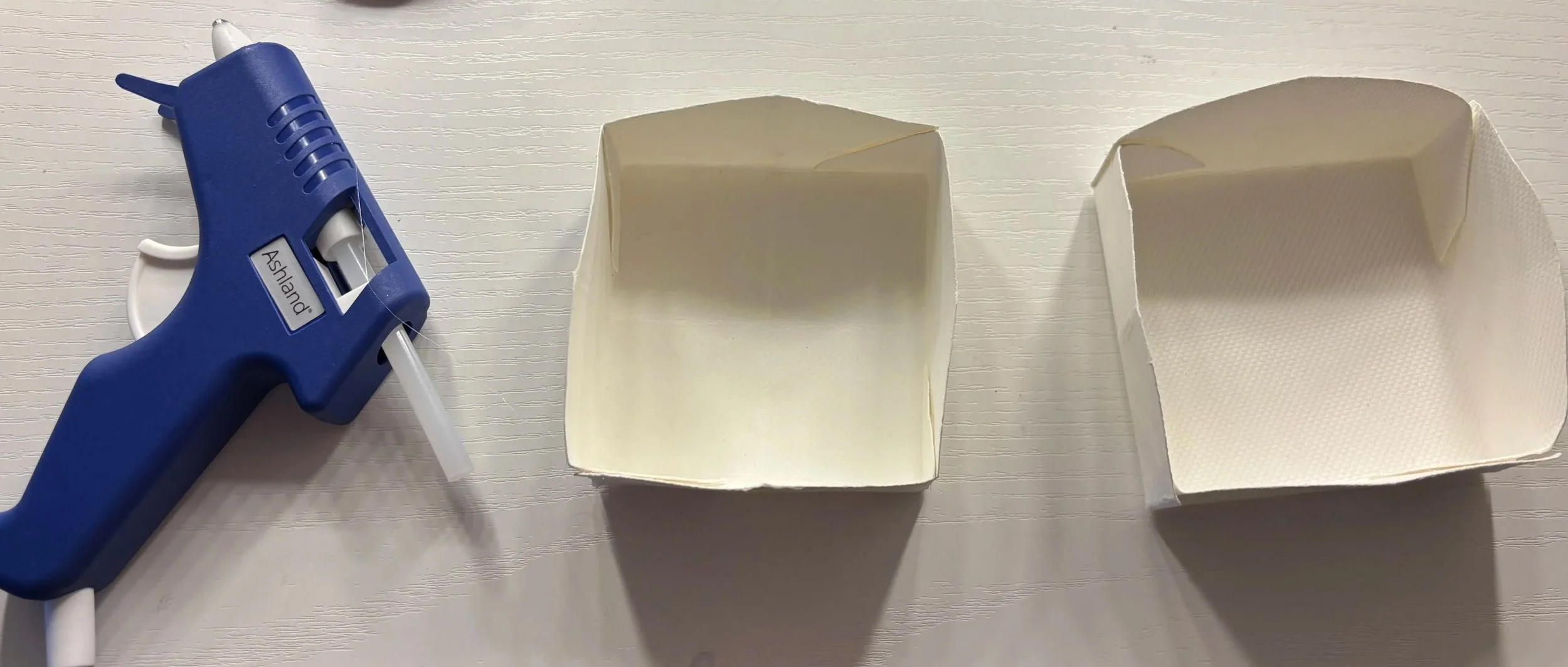
Created packaging concepts
Tested forming techniques
Explored texture and durability
Evaluated aesthetic qualities
Key Design Principles
-
Designing Through Iteration
Early concepts provide direction, but the strongest solutions often emerge through refinement and reflection.
-
Materials Shape Possibilities
Understanding a material's physical properties expands the range of meaningful design applications.
-
Design Beyond the Object
Successful design considers the broader context, including how individual pieces contribute to a shared experience.
-
Collaboration Elevates Outcomes
The final exhibition was stronger because individual projects evolved to support a collective vision.
Reflection
This project changed the way I think about design. I learned that successful outcomes aren't always the ones we imagine at the start, but they're often the result of embracing feedback, questioning assumptions, and remaining open to change. Choosing to pivot from a standalone product to a collaborative installation taught me that design is not only about creating individual solutions, but also about understanding the larger system and contributing where you can create the greatest impact.